
Beerstone: How to remove and prevent it from occuring

Tuesday, September 30, 2025

Every brewer, whether amateur or professional, is well-acquainted with the challenges that come with maintaining brewing equipment. One such challenge is the pesky formation of beerstone. This stubborn substance can compromise the quality of the brew and pose sanitation issues. Let's delve deep into understanding beerstone and provide effective methods to eliminate it from brewing equipment.
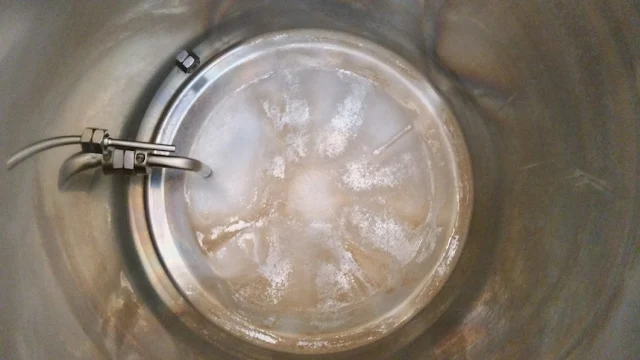


'calcium oxalate' - beerstone buildup


What is Beerstone? A Deeper Dive into the Science

Beerstone, scientifically known as calcium oxalate, is a milky-white or sometimes brownish deposit that forms on brewing equipment over time. It's a combination of minerals, primarily calcium and magnesium salts, and organic compounds left over from the brewing process. If left untreated, beerstone can harbor microorganisms, jeopardizing the quality and safety of the brew.


The formation of beerstone is a classic example of precipitation chemistry. Oxalic acid, naturally present in malt, reacts with calcium ions found in the brewing water and the malt itself. This reaction forms calcium oxalate, a salt with very low solubility in water, especially under certain conditions. The chemical equation for this reaction is: $Ca^{2+}(aq) + C_{2}O_{4}^{2-}(aq) \rightarrow CaC_{2}O_{4}(s)$. The presence of proteins and other organic molecules in the wort acts as a "binder," helping the calcium oxalate crystals adhere to surfaces and creating a tenacious, difficult-to-remove scale.


Several factors can influence the rate of beerstone formation:

  • Water Chemistry: Hard water, with its higher concentration of calcium and magnesium ions, is more prone to beerstone formation.
  • Mash pH: The pH of the mash and wort can affect the solubility of calcium oxalate.
  • Temperature: Temperature fluctuations during the brewing process, especially the rapid cooling of the wort, can cause calcium oxalate to precipitate out of solution.


Why is Beerstone a Concern for Brewers?

Beerstone is more than just an aesthetic issue; it's a serious concern for any brewer who values quality, consistency, and safety. Here's a more in-depth look at the problems it can cause:


  • Sanitation Issues: The rough, porous surface of beerstone provides an ideal breeding ground for bacteria and wild yeast. These unwanted microorganisms can hide in the microscopic nooks and crannies of the beerstone, protected from routine cleaning and sanitizing procedures. This can lead to cross-contamination between batches, resulting in off-flavors, spoilage, and even potential health risks.
  • Equipment Integrity: Over time, beerstone can cause significant damage to your brewing equipment. The buildup of this scale can lead to pitting and corrosion of stainless steel surfaces, reducing the lifespan of your expensive tanks, kettles, and other equipment.
  • Inconsistent Brews: The presence of beerstone can interfere with the brewing process in several ways. It can act as a nucleation site, causing excessive foaming and gushing in the finished beer. It can also alter the flavor profile of your beer, leading to inconsistent batches and a product that doesn't meet your standards.


Effective Methods to Remove Beerstone: A Brewer's Guide

While beerstone can be a stubborn foe, it's not invincible. With the right knowledge and a consistent cleaning regimen, you can keep your equipment pristine and your beer delicious. Here's a step-by-step guide to effective beerstone removal:


1. Routine Cleaning: The First Line of Defense

The best way to deal with beerstone is to prevent it from building up in the first place. A thorough cleaning after every brew is essential. Use a high-quality, brewery-approved alkaline cleaner to remove organic soils like proteins and hop resins. Scrub all surfaces with a non-abrasive pad, paying close attention to hard-to-reach areas. This will remove the "binder" that helps beerstone adhere to surfaces.


2. The Power of Acids: Dissolving the Mineral Scale

For existing beerstone buildup, an acidic cleaner is your best weapon. Phosphoric acid and nitric acid are both highly effective at dissolving the calcium oxalate that makes up the bulk of beerstone. These acids work by breaking down the mineral scale and allowing it to be easily rinsed away. When using acidic cleaners, always follow the manufacturer's instructions for dilution and contact time. Be sure to wear appropriate personal protective equipment (PPE), including gloves and eye protection, as these acids can be corrosive.


3. Specialized Beerstone Removers: A Targeted Approach

For tough, built-up beerstone, a specialized beerstone remover may be necessary. These products are formulated with a blend of acids, surfactants, and chelating agents that work together to break down and remove even the most stubborn deposits. They are often designed for specific applications, such as cleaning-in-place (CIP) systems, and can be a valuable tool in any brewer's arsenal.


4. Prevention is Key: Keeping Beerstone at Bay

Once your equipment is free of beerstone, you'll want to keep it that way. Here are some preventative measures you can take:

  • Water Treatment: If you have hard water, consider using a water softener or reverse osmosis (RO) system to reduce the mineral content of your brewing water.
  • Regular Acid Washing: Incorporate a regular acid wash into your cleaning regimen. This will help to prevent the buildup of beerstone and keep your equipment in top condition.
  • Passivation: After cleaning with an acidic cleaner, it's a good idea to passivate your stainless steel equipment. This process creates a protective layer on the surface of the steel that helps to prevent corrosion and beerstone formation.
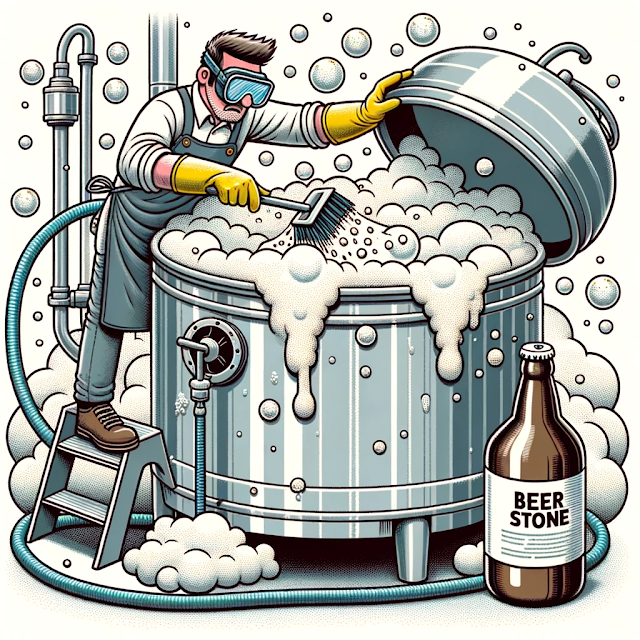

beerstone removal techniques


Safety First: A Brewer's Responsibility

When using chemical agents to clean brewing equipment, it's paramount to prioritize safety. Always:


  • Wear protective gloves and eyewear.
  • Ensure adequate ventilation in the cleaning area.
  • Thoroughly rinse equipment after cleaning to remove any residual chemicals.
  • Store cleaning agents out of reach of children and pets.


Conclusion: A Clean Brewery is a Successful Brewery

Beerstone is an inevitable challenge faced by brewers. However, with consistent cleaning, preventive measures, and the right cleaning agents, it's a challenge that can be efficiently tackled. By keeping brewing equipment free of beerstone, brewers can ensure the production of high-quality, consistent, and safe brews. Remember, a clean brewery is a successful brewery. Happy brewing!

Cold Crashing homebrew beer: How to Guide

The Brewer's Guide to Cold Crashing: Science, Steps, and Secrets

Cold crashing has become a staple in the toolkit of experienced homebrewers, and for good reason.


It’s a simple, effective method that elevates your beer’s clarity and smoothness, ensuring that what’s in your glass is as clean and refined as possible.


Whether you’re brewing a crisp lager or a hazy IPA, cold crashing can be the finishing touch that takes your homebrew to the next level.


Why Cold Crashing Matters: The Science of Clarity ๐Ÿบ

Cold crashing is more than just a way to make your beer look better; it’s about improving flavor and mouthfeel.


By dropping the temperature post-fermentation, you leverage scientific principles to clarify your brew.


The process encourages unwanted yeast, hop particles, proteins, and other suspended matter to drop out of suspension and settle at the bottom of the fermenter.


This phenomenon is governed by Stokes' Law, which dictates how quickly a particle falls through a liquid.


The key takeaway is that larger, denser particles fall much faster.


Cooling the beer causes yeast cells to cease activity and clump together in a process called flocculation.


These larger clumps, along with hop matter, settle significantly faster than individual particles would.


Furthermore, cold crashing is the best weapon against chill haze.


This is a temporary cloudiness that appears when beer is cooled for serving, caused by proteins and polyphenols forming weak bonds.


By crashing the temperature before packaging, you force these bonds to form and precipitate out early, resulting in a beer that remains brilliantly clear even when ice-cold.


This results in a beer that’s not only clearer but also smoother, with fewer harsh or yeasty flavours.

Essential Gear for a Successful Cold Crash ๐Ÿป

To cold crash your beer properly, you’ll need a few key pieces of equipment:


  • A Sealed Fermentation Vessel: Your fermenter must be able to be sealed airtight to prevent oxygen contamination.
  • Temperature Control: A refrigerator or chest freezer with an external temperature controller is essential.

    The goal is to maintain a stable, cold temperature just above freezing without turning your beer into an ice block.
  • Thermometer: An accurate digital thermometer or a temperature strip on your fermenter is crucial for monitoring the process.
  • Sanitization Tools: As always in brewing, cleanliness is paramount.

    Ensure you have sanitizer ready for any equipment that might contact your beer.

    Properly sanitized gear is your best defense against infection.


The Cold Crashing Process: A Step-by-Step Guide

With your gear ready, here is how to execute the perfect cold crash:


1. Ensure Fermentation Is Complete: Cold crashing before fermentation is finished can cause yeast to go dormant prematurely, leaving you with a sweet, under-attenuated beer.

Use a hydrometer to confirm your specific gravity has been stable for at least two consecutive days.


2. Set the Temperature: Dial in your temperature controller to a range between 0-4°C (32-40°F).

Lagers and crisp pilsners benefit from the colder end of this spectrum, while some ales can be crashed slightly warmer.

Avoid freezing your beer, which can cause damage to the vessel and affect flavour.


3. Set the Duration: Most beers will achieve excellent clarity within 24 to 48 hours.

For beers with a high sediment load, like heavily dry-hopped IPAs or dark stouts, you may need to extend this period to 72 hours to allow everything to settle fully.


4. Monitor the Process: Keep an eye on your temperature to ensure it remains stable.

Logging your process will help you replicate your successes and refine your technique for future batches.

Troubleshooting Common Cold Crashing Issues ๐Ÿง

Even a simple process can have challenges.


Here’s how to handle them:


  • Oxygen Suck-Back: This is the biggest risk.

    As the gas in your fermenter's headspace cools, its pressure drops (according to the Ideal Gas Law), creating a vacuum.

    This can suck the liquid from your airlock (and dreaded oxygen) back into your beer.

    Trick: To prevent this, you can replace your airlock with a sanitized solid bung once fermentation is confirmed complete, or even better, attach a CO₂ tank with a regulator set to 1-2 PSI to maintain positive pressure.

    We do appreciate this is likely a step too far for simple home beer kit brewers!

  • Sediment Won’t Drop: If clarity is still an issue, it’s time for fining agents.

    Adding gelatin or Biofine during the cold crash will bind to particles and accelerate settling.
  • Over-Carbonation in Bottles: This is usually caused by bottling before fermentation is truly finished.
Always trust your hydrometer over visual cues.

If you are certain fermentation was complete, you may need to slightly adjust your priming sugar calculations for the colder, denser beer.

Post-Crash Protocol: Packaging and Conditioning ๐Ÿพ

Once the crash is complete, handle your beer with care.


The primary goal is a gentle, oxygen-free transfer to bottles or a keg.


Use an auto-siphon and position it carefully above the yeast cake to avoid stirring up the sediment you just worked so hard to settle.


Next comes conditioning, where the beer matures and develops its final character.


Lighter styles like lagers may need several weeks of cold conditioning (lagering) to become perfectly smooth.


Heavier styles like stouts can also benefit from extended conditioning time to mellow out complex flavours.


Finally, store your bottles upright.


This ensures any remaining sediment settles at the bottom, allowing you to pour a clean, clear glass.


Always keep your beer in a cool, dark place to prevent light exposure, which can cause "skunking," a common off-flavour from a photochemical reaction.


Skunking is a fault you want to avoid at all costs.

Advanced Techniques and Best Practices ✨


To achieve ultimate clarity, fining agents are a game-changer.


Agents like gelatin or Biofine Clear are electrostatically charged and act like magnets, binding to yeast, proteins, and hop haze, and dragging them to the bottom of the fermenter.


Remember that not all beers require the same treatment.


For a hazy IPA, a hard cold crash can strip away the desirable haze that contributes to its flavour and mouthfeel.


For these styles, consider a "soft crash" to a warmer temperature (e.g., 10°C / 50°F) to settle out only the heaviest yeast without sacrificing the haze.


In contrast, for a pilsner or lager where brilliant clarity is paramount, a full, cold crash is essential.

Cold Crashing vs. Other Clarification Methods ๐Ÿป

Cold crashing is a powerful and low-cost tool for achieving brilliant clarity, but it's essential to understand its place within the broader spectrum of clarification techniques.


The right choice depends on your specific goals, the beer style you're brewing, your budget, and your timeline.


Let's take a deeper dive into how cold crashing compares to the other primary methods.


Filtration


Mechanism: Filtration is a purely mechanical process.


Beer is forced through a porous filter medium with a specific micron rating, physically stripping out suspended particles like yeast, proteins, and hop particulates.


A 5-micron filter will remove most yeast, while a 1-micron filter provides a brilliant "polish."


Pros:

  • Speed: Filtration is almost instantaneous.

    It can take a beer from cloudy to crystal clear in the time it takes to transfer it from one keg to another, whereas cold crashing requires 1-3 days.
  • Absolute Clarity: It can achieve a commercial-level, polished brilliance that is difficult to replicate with gravity-based methods alone.


Cons:

  • Cost and Complexity: This is a major barrier for most homebrewers.

    It requires dedicated equipment like filter housings, single-use cartridges, tubing, and often a pump, which represents a significant investment.
  • Flavor and Aroma Stripping: This is the most significant drawback.

    Fine filtration is indiscriminate; it can strip out desirable hop oils (aroma), proteins that contribute to a full mouthfeel and stable head retention, and even some color compounds.

    Cold crashing is far more gentle, primarily targeting the largest and least stable particles.
  • High Risk of Oxidation: Pushing beer through a filter system creates a massive opportunity for oxygen exposure, which can ruin a beer's flavour and long-term stability.

    Mitigating this requires a sophisticated setup with the ability to completely purge the entire system with CO₂.


Verdict: While highly effective, filtration is generally overkill for most homebrewers.


It's best suited for those dedicated to brewing perfectly brilliant American Light Lagers or other styles where absolute clarity is paramount and who have the kegging equipment and expertise to manage the high risk of oxidation.


Extended Conditioning (Lagering & Aging)


Mechanism: This method relies on time and gravity.


By holding a beer at cold temperatures (typically 0-4°C or 32-40°F) for several weeks or months, particles like yeast and proteins are given a very long time to settle naturally.


This is essentially a very slow, prolonged cold crash.


Pros:


  • Flavour Maturation: The primary benefit of lagering is not just clarity, but flavour development.

    Over this extended period, yeast continues to work, cleaning up fermentation byproducts like diacetyl (buttery) and acetaldehyde (green apple), resulting in an exceptionally smooth, clean, and integrated flavour profile that a quick cold crash cannot produce.
  • Simplicity: No extra steps are required beyond maintaining a stable cold temperature and being patient.

Cons:


  • Time: This is the biggest trade-off.

    A cold crash achieves remarkable clarity in days; true lagering takes weeks or months.
  • Ties Up Equipment: Your beer will occupy a fermenter and valuable space in your temperature-controlled chamber for a very long time, limiting your brewing pipeline.


Verdict: Extended conditioning is a process, not just a technique.


It's essential for traditional lager styles where flavour maturation is just as important as clarity.


For these beers, a cold crash is simply one of the final steps within the longer lagering process.


Clarifying Agents (Finings)


Mechanism: Finings are additives that work through electrostatic charge, binding with suspended particles to create larger clumps (floccules) that settle out much faster.


They are best thought of as a booster for gravity-based clarification.


  • Kettle Finings (e.g., Irish Moss, Whirlfloc): Added during the last 10-15 minutes of the boil.

    These negatively charged carrageenan products bind with positively charged proteins in the hot wort, creating a better "hot break."

    This removes potential haze-formers before fermentation even begins.
  • Post-Fermentation Finings: These are added after fermentation is complete, often in conjunction with cold crashing.

    This includes agents like Gelatin & Isinglass, which are positively charged and bind with yeast, and Silica-Based finings that excel at removing protein haze.


Pros:


  • Synergy with Cold Crashing: Fining agents are not an alternative to cold crashing; they are an enhancement.

    By creating larger, heavier particles, they dramatically accelerate the sedimentation process as described by Stokes' Law, making your cold crash faster and more effective.
  • Targeted Action: You can choose an agent that specifically targets what is making your beer hazy, whether it's yeast or protein.

Cons:


  • Dietary/Allergen Concerns: Many popular finings are animal-derived (gelatin, isinglass from fish, chitosan from shellfish), making them unsuitable for vegan beers.
  • Potential for Stripping: While far more gentle than filtration, overuse of some finings can potentially reduce some desirable mouthfeel and head-retention compounds.


Verdict: Using fining agents is one of the best ways to elevate your clarification game.


Combining a kettle fining during the boil with a post-fermentation agent like gelatin during the cold crash is a powerful, synergistic approach that yields exceptionally clear beer without the cost and risks of filtration.

How to get a Creamy Mouthfeel in Your Homebrew

Sunday, May 18, 2025

The Brewer's Guide to a Creamier, Smoother Beer

For brewers of every stripe, from the weekend hobbyist to the seasoned professional, the quest for the perfect pint is a constant pursuit. While aroma and flavour often take centre stage, the secret to a truly unforgettable beer often lies in its texture. A velvety, creamy mouthfeel can elevate a good beer to a great one, transforming each sip into a luxurious experience.

Before we dive into the techniques, let's establish our benchmark. If you’ve ever enjoyed the cascading pour of a Kilkenny or a Guinness Draught, you know the gold standard of creamy. A key reason for their signature texture is the innovative blend of carbon dioxide and nitrogen used for carbonation, a topic we'll explore later.
A female brewer in a retro outfit working in a modern brewing lab

Master Your Grains for a Fuller Body

The foundation of your beer's body is the malt bill. Beyond dictating colour and flavour, malts are your primary tool for building viscosity and richness. By carefully selecting your grains and adjusting your process, you can create a beer with a substantial, silky texture.

1. Boost Your Grain Bill and Specialty Malts

The most direct path to a fuller body is increasing the overall grain bill. This raises the original gravity, leaving behind more unfermentable sugars and proteins. Incorporate malts known for adding body, such as Munich or Vienna Malt. For a pronounced effect, Caramel/Crystal Malts (e.g., Carapils, Caramel 60L) are excellent choices, contributing dextrins that enhance mouthfeel and head retention.

2. Harness the Power of Flaked Grains

For a truly silky, velvety texture, look no further than flaked grains. Flaked Oats are a brewer's favourite for their high content of beta-glucans, which add significant viscosity without fermenting. They are the signature ingredient in Oatmeal Stouts and a cornerstone of hazy New England IPAs. Similarly, Flaked Wheat and Flaked Barley contribute proteins that result in a fuller, rounder mouthfeel and improved head stability.

Brewer's Tip: When using flaked grains, aim for 5-20% of your total grist. Add them directly to the mash with your base malts. Be mindful that higher percentages can lead to a "stuck mash," so incorporating rice hulls can help maintain good lauterability.

3. Control Your Mash Temperature

Your mash temperature is a powerful lever for controlling fermentability. Mashing at a higher temperature, typically between 69-70°C (156-158°F), favours the enzyme alpha-amylase. This produces longer-chain, less fermentable sugars (dextrins) that remain in the final beer, contributing directly to a fuller, sweeter, and more viscous body. A lower mash temperature (around 65°C / 149°F) favours beta-amylase, creating a drier, thinner beer.

4. Don't Forget Water Chemistry

The mineral profile of your brewing water has a subtle but significant impact. To accentuate a soft, full mouthfeel, aim for a higher chloride-to-sulfate ratio. A ratio of 2:1 (e.g., 100 ppm Chloride to 50 ppm Sulfate) can enhance the perception of maltiness and fullness, making it ideal for styles like stouts and hazy IPAs. Conversely, a higher sulfate content accentuates hop bitterness and creates a drier finish.

The Sweet Secret: Brewing with Lactose

Lactose, or milk sugar, is a unique tool in the brewer's arsenal. Unlike maltose, standard brewing yeast cannot ferment it. This means it remains in the finished beer, imparting a distinct sweetness and a significant boost to the body and creamy texture. It's the defining ingredient in styles like Milk Stouts and is increasingly popular in fruit-forward Milkshake IPAs.


To use lactose, add it during the last 10-15 minutes of the boil to ensure it is fully dissolved and sanitized. A typical starting dosage is 120-240 grams per 19-litre (5-gallon) batch. Be judicious; its sweetness can easily overpower a beer's profile if overused. 


It's best suited to dark, robust styles or intentionally sweet IPAs where its character can shine.

Important Note: Always remember that lactose is a dairy derivative. If you are brewing for friends or sharing your beer, be sure to clearly label it as containing lactose for those with allergies or intolerances.

Leverage Hops for Lasting Head Retention

While we primarily associate hops with bitterness and aroma, they play a crucial role in foam stability. The alpha acids in hops transform into isohumulones during the boil. These compounds interact with proteins in the beer, creating a strong network that forms stable, long-lasting bubbles. A thick, persistent head contributes significantly to the perception of a creamy mouthfeel.


Hops with a higher alpha-acid content, such as Chinook, Columbus, or Simcoe, are particularly effective. While a strong bittering addition at the start of the boil is key, late-boil or whirlpool hop additions also contribute foam-positive compounds without adding excessive bitterness. For styles where you want a creamy head without overwhelming bitterness, consider using hops high in alpha acids in smaller, later additions.

A ballet dancer holding a glass of nut brown ale

The Ultimate Creaminess: The Nitro Pour

To truly replicate the iconic creaminess of a Guinness, you must venture into the world of nitrogenation. Serving beer on a nitrogen/CO2 blend (typically 70% nitrogen, 30% CO2) creates incredibly small, stable bubbles. Because nitrogen is largely insoluble in liquid, it produces a thick, creamy, and remarkably stable head, leading to that signature velvety mouthfeel.


This advanced technique requires specialized equipment, including a nitrogen gas tank, a specific regulator, and a stout faucet (which contains a restrictor plate to force the beer through tiny holes, knocking the nitrogen out of solution). While it represents an investment, the result is a truly professional and unparalleled creamy texture that is impossible to achieve with CO2 alone.


A Final Word of Caution

While chasing the perfect creamy texture, it's vital to stick to proven brewing ingredients. A common question from beginners is whether adding actual dairy cream is a viable shortcut. The answer is a resounding no. The fats in cream will wreck your beer's head retention, can quickly turn rancid, and introduce a high risk of bacterial contamination.


Achieving that dreamy, creamy mouthfeel is well within your grasp. By thoughtfully building your grain bill, mastering your mash, and perhaps experimenting with adjuncts like lactose or even a nitrogen setup, you can craft a beer that feels as incredible as it tastes.

How long can you leave dry hops in fermenter?

Tuesday, April 22, 2025

Dry hopping is a technique employed by brewers to infuse beers, especially IPAs and pale ales, with a fragrant aroma and enhanced hop flavor. The method involves adding hops to the fermenter or keg post-fermentation. However, a common query among homebrewers and professionals alike revolves around the duration these dry hops should remain in the fermenter.

This article seeks to address these concerns, providing clarity on the optimal timing for dry hopping.

Can You Leave Dry Hops in Too Long?

Yes, leaving dry hops in the fermenter for an extended period can introduce unwanted flavors into the beer. Overextended contact time can lead to a vegetal or grassy taste, detracting from the desired hop aroma and flavor.

The aromatic oils from the hops are extracted within the initial days of dry hopping, and prolonged exposure does not necessarily translate to more aroma but can negatively impact the beer's overall profile.

how long to leave hops in the fermenter when brewing beer?

How Long Do You Leave Dry Hops in Secondary?

When dry hopping in a secondary fermenter, the common practice, grounded in both empirical observation and the science of hop oil extraction, is to leave the hops in contact with the beer for a duration of 3 to 7 days. 

This timeframe represents a sweet spot, allowing for the efficient dissolution of desirable aromatic compounds from the hop cones or pellets into the beer matrix without venturing into the territory of off-flavor development. Think of it like steeping tea – you want the flavorful compounds, but steeping for too long can lead to bitterness and astringency.

The magic of dry hopping lies in the extraction of volatile aromatic oils present in the lupulin glands of the hop. These oils, such as myrcene (contributing piney, resinous, and sometimes citrusy notes), linalool (floral, citrusy), and humulene (woody, earthy), are relatively non-polar and thus have a decent affinity for dissolving in the beer's ethanol-water solution. 

The process is driven by diffusion – the movement of these compounds from an area of high concentration (the hop material) to an area of low concentration (the beer). Over 3 to 7 days, this diffusion reaches a point where a significant amount of these desirable aroma compounds has transferred into the beer, creating that sought-after hop bouquet.

As this article correctly points out, the physical presentation of the hops – whole leaf versus pellet – significantly influences the kinetics of this extraction. Hop pellets, being finely ground and compressed, boast a vastly increased surface area compared to their intact whole leaf counterparts. 

This greater surface area provides more points of contact with the beer, leading to a faster and more efficient diffusion of the aromatic oils. Think of it like using ground coffee versus whole beans for brewing – the ground coffee releases its flavors much quicker. Consequently, brewers using pellet hops might find that optimal aroma extraction occurs towards the shorter end of the 3-to-7-day spectrum, while those using whole leaf hops might need to lean towards the longer end to achieve a similar level of hop intensity. 

However, extending beyond this window risks extracting less desirable compounds.

How long can you leave dry hops in fermenter?

How Long After Dry Hopping Can I Bottle?

Post dry hopping, patience is a virtue, and allowing the beer to settle for an additional 1 to 2 days before bottling is a scientifically sound practice for clarity's sake.

During the dry hopping process, especially with the use of hop pellets, a significant amount of fine hop particulate is introduced into the beer. These tiny fragments remain suspended, contributing to a cloudy or hazy appearance. Given enough time, gravity works its magic, causing these heavier particles to slowly sediment out of the beer and settle at the bottom of the fermenter. This natural clarification process results in a brighter, more visually appealing final product in the bottle.

Furthermore, as our BeerKitBrewer's guide touches upon, the way hops are stored prior to their use can subtly influence the compounds they contain and how readily they are extracted. Properly stored hops, kept cold and away from oxygen and light, will retain a higher concentration of those delicate aromatic oils we're after.

Suppose the hops have been compromised due to poor storage. In that case, the extraction kinetics might be slightly different, potentially influencing the brewer's perception of when the desired aroma has been achieved and, consequently, when they deem it ready for bottling. A short settling period after dry hopping provides a final opportunity for any remaining hop-derived compounds to integrate into the beer and for particulate matter to drop out, ensuring a cleaner and more refined final product.

BREWING WITH HOPS


How Long Do You Leave Dry Hops in a Keg?

When dry hopping directly in a keg, the hops can be left in for the duration of the beer's consumption, provided they are contained within a mesh bag or hop canister. This method, often termed "keg hopping", allows for a continuous infusion of hop aroma. However, the same rules apply; overexposure can lead to vegetal flavors. It's essential to taste the beer regularly and remove the hops once the desired aroma intensity is achieved.

dry hopping beer guide


In Conclusion

Dry hopping, when executed correctly, can elevate a beer's aromatic profile, making it a favorite technique among craft beer enthusiasts. The key lies in understanding the nuances of hop exposure and ensuring they don't remain in contact with the beer longer than necessary. By keeping a vigilant eye on the calendar and relying on regular taste tests, brewers can master the art of dry hopping, producing beers with a tantalizing aroma that beckons with every pour.

Alkaline Brewery Wash vs. Powdered Brewery Wash - wish is the better buy?

When it comes to the critical practice of brewing hygiene, the selection of a cleaning agent is as fundamental as the malt bill or fermentation schedule. Brewers often weigh the merits of Alkaline Brewery Wash (ABW) and Powdered Brewery Wash (PBW), each offering a distinct approach to maintaining sanitary conditions vital for consistent and high-quality beer production. 

The presence of unwanted microorganisms or residual brewing byproducts can lead to off-flavors, inconsistent fermentation, and ultimately, spoiled batches. Therefore, a thorough understanding of how these cleaners work at a scientific level is paramount.

This article will delve into the scientific principles behind the cleaning action of ABW and PBW, providing a comprehensive analysis to guide brewers in making an informed decision tailored to their specific brewing environment and needs.

Alkaline Brewery Wash vs. Powdered Brewery Wash


Chemical Composition and Cleaning Efficacy: A Scientific Perspective

Alkaline Brewery Wash (ABW)

ABW typically employs a blend of alkaline salts, often including sodium carbonate or silicates, along with surfactants. The alkalinity, characterized by a high pH (typically above 11), saponifies fats and oils, breaking them down into more water-soluble compounds that can be easily rinsed away.

Furthermore, the alkaline environment disrupts the cellular membranes of many microorganisms, contributing to their inactivation. The surfactants present reduce the surface tension of water, allowing the cleaning solution to penetrate and lift organic residues, such as proteins and carbohydrates left behind from the mash, boil, and fermentation stages.

A significant advantage of ABW is its effectiveness across a broader temperature spectrum. The kinetic energy of molecules plays a crucial role in cleaning efficiency; higher temperatures generally accelerate chemical reactions and increase the solubility of residues. However, ABW's formulation allows it to maintain a significant degree of cleaning power even at lower temperatures. 

This is partly due to the specific types and concentrations of alkaline compounds and surfactants used, which are designed to be effective without requiring excessive thermal energy. This not only saves energy but also reduces the risk of protein denaturation and adherence to surfaces that can occur at higher temperatures, making rinsing more difficult.

ABV or PBW - a comparison to what is best

Powdered Brewery Wash (PBW)

PBW distinguishes itself through a more complex formulation, typically including sodium metasilicate, a highly alkaline compound that effectively hydrolyzes organic matter. The inclusion of chelating agents, such as phosphates or EDTA (ethylenediaminetetraacetic acid), is a key feature. 

These chelators work by forming stable complexes with metal ions (e.g., calcium, magnesium, iron) present in hard water and brewing residues. By sequestering these ions, chelators prevent them from interfering with the cleaning process and from depositing as scale or beer stone (calcium oxalate) on equipment surfaces. Beer stone can harbor microorganisms and is notoriously difficult to remove. 

PBW's efficacy is significantly enhanced at higher temperatures because the increased thermal energy boosts the activity of both the alkaline components and the chelating agents, accelerating the breakdown of organic soils and the solubilization of mineral deposits. However, this temperature dependency implies a greater energy demand for optimal performance.

Cost-Effectiveness and Usage Concentrations: An Economic and Chemical Equilibrium

Cost Considerations

The initial purchase price often makes ABW appear more economical, a crucial factor for budget-conscious brewers. Beyond the upfront cost, the ability of ABW to perform effectively at lower temperatures translates to potential savings in heating energy, contributing to long-term operational efficiency and a lower overall cost of cleaning. 

This is particularly relevant in regions with high energy costs or for brewing setups where heating large volumes of cleaning solution is resource-intensive.

Usage Efficiency

PBW's concentrated formulation suggests that a smaller amount of product might be needed per unit volume of cleaning solution to achieve the desired level of cleanliness. This higher cleaning power at lower concentrations can potentially offset its higher per-unit cost over time. Brewers must carefully consider the recommended dilution ratios and the total amount of cleaner used over multiple cleaning cycles to accurately assess the long-term cost-effectiveness of each option. 

Factors such as the frequency of cleaning, the volume of cleaning solution required, and the severity of fouling will influence the overall expenditure.

Environmental Impact and Safety: Balancing Ecological Responsibility and User Well-being

Ecological Considerations

The environmental impact of brewing chemicals is an increasingly important consideration. ABW's non-caustic nature often translates to better biodegradability and reduced harm to aquatic ecosystems if discharged in wastewater (though proper disposal according to local regulations is always essential). The breakdown products of ABW components are generally less persistent and less toxic compared to some of the more aggressive chemicals found in certain formulations of PBW. 

However, it's crucial to note that the environmental impact of any cleaning agent depends on its complete formulation, concentration used, and the wastewater treatment processes in place.

User Safety

The non-caustic nature of many ABW formulations generally presents a lower risk of chemical burns and respiratory irritation for users. This can be a significant advantage in environments where safety protocols might be less stringent or where users may have less experience handling strong chemicals. 

While PBW is also safe when handled correctly, its alkaline components, particularly sodium metasilicate, can be corrosive and irritating to skin, eyes, and the respiratory tract. 

Therefore, the use of appropriate personal protective equipment (PPE), such as gloves, eye protection, and potentially respirators, is even more critical when working with PBW to mitigate these risks. Brewers must prioritize safety training and ensure adherence to safety guidelines for whichever cleaner they choose.

brewery wash what is best


Versatility and Material Compatibility: Ensuring Broad Application and Equipment Longevity

Versatility in the Brewery

The versatility of both ABW and PBW stems from their ability to address a wide range of organic and inorganic soils encountered throughout the brewing process. This includes removing krausen rings from fermenters (composed of proteins, hop resins, and yeast), wort residues from brew kettles (sugars and caramelized solids), and beer stone buildup in serving tanks and lines (mineral deposits). 

The ability to use a single cleaner for multiple applications simplifies inventory management and cleaning protocols, contributing to operational efficiency.

Compatibility with Materials

The long-term integrity of brewing equipment is paramount, making material compatibility a non-negotiable factor in cleaner selection. While stainless steel, the primary material in most brewing systems due to its inertness and cleanability, is generally compatible with both ABW and PBW, other materials require careful consideration. 

For instance, prolonged exposure to highly alkaline solutions like some PBW formulations can degrade certain types of rubber gaskets and seals, leading to leaks and potential contamination. Similarly, softer metals like aluminum or copper can be corroded by strong alkaline cleaners. Brewers must consult the manufacturer's recommendations for both their cleaning agents and their brewing equipment to ensure compatibility and prevent damage that could compromise the quality of their beer or necessitate costly repairs.

The decision between Alkaline Brewery Wash and Powdered Brewery Wash hinges on a nuanced evaluation of their chemical properties, cleaning mechanisms, cost implications, environmental footprints, safety profiles, and material compatibilities within the specific context of a brewery's operations. 

There is no universally "best" cleaner; rather, the optimal choice is the one that most effectively addresses the unique challenges and priorities of the brewing environment. Factors such as the scale of operation, the types of beers brewed (which can influence the nature and tenacity of residues), water hardness, energy costs, waste disposal regulations, and the brewery's commitment to safety and sustainability all play a crucial role in this decision-making process.

Ultimately, the thorough comparison of ABW and PBW highlights the scientific and practical considerations involved in maintaining impeccable brewing hygiene. 

By understanding the underlying chemistry of these cleaners and their interactions with brewing soils and equipment, brewers can make informed choices that not only ensure the production of consistently excellent beer but also align with their operational efficiency, safety standards, and environmental stewardship goals. Whether a brewery opts for the gentler, potentially more cost-effective ABW or the powerful, chelation-enhanced PBW, the unwavering commitment to cleanliness remains the cornerstone of successful brewing.

Yeast Nutrients: Timing, Use Method, and Impact on Beer Brewing

Sunday, February 16, 2025
Brewing beer is both alchemy and art, a process that transforms humble grains, water, hops, and yeast into a beverage that has shaped civilizations. But even the most carefully curated wort is at the mercy of yeast - the microscopic workhorse that ferments sugars into alcohol and CO₂.
 

Without proper nutrition, yeast can falter, leading to sluggish fermentation, off-flavors, or outright failure.
 

Enter yeast nutrients, the unsung heroes of a healthy brew. But like any good performance, timing is everything. Knowing when to add yeast nutrients is the difference between a beer that sings and one that stumbles through its notes.

using yeast nutrition brewing beer


When to Add Yeast Nutrients: The Crucial Stages

The addition of yeast nutrients isn’t a one-size-fits-all process. It varies based on factors like yeast strain, wort composition, and desired beer style.

 But the golden rule remains: nutrients must be available at key moments when yeast is at its most active or vulnerable.


  1. Before Pitching Yeast (Pre-Fermentation) – This is the first and most critical moment to add yeast nutrients. When yeast is introduced to the wort, it undergoes rapid cell growth, consuming amino acids, nitrogen, and minerals. If the wort is deficient—common in high-gravity beers, extract-based kits, or heavily adjuncted worts—fermentation can be sluggish or incomplete. A well-dosed nutrient addition at this stage ensures that the yeast starts strong, leading to a clean, efficient fermentation.

  2. Mid-Fermentation (24–48 Hours Post-Pitching) – The second window for yeast nutrient use comes during the early stages of active fermentation. By this time, yeast has already gone through a rapid growth phase and is transitioning to full alcohol production. In high-alcohol beers, where yeast stress is common, an additional dose of nutrients (particularly those rich in nitrogen and zinc) helps sustain fermentation and prevents the production of off-flavors like diacetyl or fusel alcohols

  3. Late Fermentation (Optional – Only If Stalled) – If fermentation stalls unexpectedly—often due to yeast stress, temperature fluctuations, or lack of key micronutrients—a carefully measured nutrient boost can help revive activity. However, this is a last-resort approach. Nutrients added too late can lead to unintended consequences, like excessive yeast autolysis (self-digestion), which imparts meaty or rubbery flavors.


How to Add Yeast Nutrients: Methods and Best Practices

Precision matters when adding yeast nutrients. Simply dumping them into the wort haphazardly can do more harm than good. Understanding the chemistry at play ensures maximum effectiveness.


  1. Dissolving in Warm Wort or Water – Dry yeast nutrients should always be dissolved in a small amount of warm, sterile water or wort before being added to the fermenter. This allows for even distribution and prevents localized nutrient overdoses, which can shock yeast cells.

  2. Pre-Boil vs. Post-Boil Additions – Some brewers opt to add nutrients during the boil, particularly in all-grain brewing, where nitrogen compounds can become volatile. However, in extract brewing or when using beer kits, it’s best to add nutrients post-boil, just before yeast pitching, ensuring that key vitamins and amino acids remain intact.

  3. Aeration and Oxygenation – Yeast needs oxygen for robust growth, especially in the early stages of fermentation. Nutrients should be introduced alongside proper wort aeration (via shaking, stirring, or oxygen injection) to ensure yeast can efficiently utilize them. Oxygen deprivation at this stage can lead to incomplete attenuation and excessive ester production.


The Science Behind Yeast Nutrients: Why They Matter

The core components of yeast nutrients—diammonium phosphate (DAP), amino acids, zinc, and magnesium—serve distinct roles in yeast metabolism. Nitrogen compounds, like DAP and free amino nitrogen (FAN), are essential for yeast reproduction, directly impacting cell wall strength and alcohol tolerance. 


Zinc, often overlooked, is a co-factor in enzyme reactions that drive fermentation efficiency. Even at trace levels, it enhances yeast health and prevents sluggish attenuation. Vitamins like biotin and thiamine are crucial for enzymatic activity and lipid production, ensuring a smooth and complete fermentation cycle.


Without these key nutrients, yeast struggles. In high-alcohol environments, where osmotic stress is high, nutrient deficiencies lead to excessive stress responses—manifesting as fusel alcohols (harsh, solvent-like flavors) or excessive sulfur production. A well-balanced nutrient addition prevents these pitfalls, resulting in cleaner, more predictable fermentations.


guide to using yeast nutrients for beer wort


What kinds of yeast nutrients suit a beer kit batch?


Incorporating these nutrients into your brewing process can enhance yeast performance, leading to cleaner and more predictable beer outcomes.

Timing is Everything: How Hop Schedules Define a Beer’s Flavor, Bitterness, and Aroma

Friday, February 14, 2025
Brewing beer isn’t just an age-old craft—it’s a precise dance of chemistry and creativity, a symphony of malt, water, yeast, and hops working in perfect harmony. And while hops are the rock stars of modern brewing—delivering everything from bracing bitterness to explosive aromatics—their impact isn’t just about what’s added, but when and how.

Simply tossing hops into a boiling wort won’t cut it.

Timing is everything.

The right additions at the right moments shape a beer’s entire identity, dictating whether it leans toward crisp and clean, resinous and bitter, or soft and juicy.

This is where the hop schedule comes in—an orchestrated, deliberate plan that dictates when, how much, and which hops are introduced throughout the brewing process.

Get it right, and you unlock the full potential of your hops, crafting a beer that’s layered, balanced, and unforgettable. Get it wrong, and you end up with a muddled, one-dimensional brew that never quite finds its voice.

Let’s break it down.

hops schedules for brewing explained

What is a Hop Schedule?

A hop schedule is the strategic blueprint for hop additions during the brewing process—more than just a timeline, it’s the DNA of a beer’s bitterness, aroma, and flavor. This schedule dictates not only when hops are added but also how their essential oils, alpha acids, and resins interact with the boiling wort, fermentation, and conditioning.


At its core, a hop schedule is about precision and chemistry. It specifies:


  • The hop variety, each with its own chemical profile—high alpha acid hops like Columbus for punchy bitterness, or delicate, oil-rich varieties like Mosaic for vibrant aroma.
  • The amount of hops, measured in weight (grams or ounces) and tied to target bitterness levels, calculated in International Bitterness Units (IBUs).
  • The timing of additions, which determines whether the hops contribute bitterness (longer boils break down alpha acids), flavor (mid-boil for partial oil retention), or aroma (late additions preserve volatile compounds).


Modern brewing has expanded hop scheduling beyond the traditional boil phase. Whirlpool hopping, biotransformation dry hopping, and cold-side techniques now allow brewers to layer hop expression like an artist mixing pigments on a canvas. The result? A spectrum of hop character—from resinous West Coast IPA bitterness to the soft, juicy haze of a New England-style brew.


Why is the Hop Schedule Important?

A hop schedule isn’t just a guideline—it’s the playbook for crafting a beer’s soul. From the crisp snap of a German Pilsner to the tropical explosion of a hazy IPA, every hop addition shapes what ends up in the glass. It’s about timing, chemistry, and the delicate balancing act of bitterness, flavor, and aroma.


Flavor and Aroma Profiling:

Hops are more than just bitterness machines—they’re the spice rack of brewing. The variety used, along with the timing of its addition, dictates whether a beer is drenched in bright citrus, dank pine, floral perfume, or deep earthy spice. But hop compounds are fragile; boil them too long, and the delicate oils that deliver aroma are lost to the steam.


  • Early-boil additions (60+ minutes) break down alpha acids into iso-alpha acids, the compounds responsible for a beer’s bitterness. These long-boil additions don’t preserve much flavor beyond a subtle resinous backbone.
  • Mid-boil additions (15-30 minutes) hit the sweet spot for flavor retention, offering nuanced characteristics—think orange zest, herbal spice, or juicy stone fruit.
  • Late-boil or whirlpool additions (0-10 minutes, or post-boil at 170-190°F) capture the volatile oils that deliver massive aroma without significant bitterness.


Bitterness Control:


Bitterness isn’t an accident—it’s a controlled reaction. International Bitterness Units (IBUs) measure how much bitterness a beer has, but the perception of that bitterness is just as important as the number itself.


  • High-alpha hops like Magnum or Warrior deliver clean, efficient bitterness, ideal for balancing malt sweetness in big beers.
  • Low-alpha aroma hops like Saaz or Hallertau, when boiled long enough, lend subtle, rounded bitterness without overpowering the palate.
  • Hop utilization is impacted by wort gravity—a thick, sugar-laden wort (like in high-ABV stouts) reduces the effectiveness of bittering hops, requiring brewers to compensate with higher hop loads or extended boil times.


Efficiency:


Hops aren’t cheap, and every gram counts. A solid hop schedule ensures maximum extraction without waste, balancing cost with impact. Overloading late additions can lead to diminishing returns, as solubility limits how much hop oil actually makes it into the beer. Similarly, poorly planned bittering additions can create harsh or astringent flavors, rather than clean bitterness.


Master brewers understand that hops are both science and art. A well-planned hop schedule transforms raw ingredients into a symphony of flavor, and those who master it don’t just brew beer—they engineer it.


Key Components of a Typical Hop Schedule

A hop schedule isn’t just a list of additions—it’s a calculated approach to extracting the right balance of bitterness, flavor, and aroma. Every hop addition has a purpose, dictated by chemistry and experience. Understanding each phase is the difference between a dialed-in beer and a muddled mess.


Bittering Hops (Early-Boil: 60+ Minutes)


These are the foundation of a beer’s bitterness, the backbone that counteracts the malt’s sweetness. Added at the beginning of the boil, bittering hops undergo full alpha acid isomerization, breaking down into iso-alpha acids, the compounds responsible for perceived bitterness.


  • The science: The longer hops are boiled, the more their volatile aroma oils are lost to steam, leaving behind only bitterness.
  • The choices: High-alpha acid varieties like Magnum, Warrior, and Chinook are preferred because they efficiently deliver bitterness without excessive plant matter.


Flavor Hops (Mid-Boil: 15-30 Minutes)


These additions are about balance and nuance. Mid-boil hops don’t just contribute some bitterness—they begin to preserve the delicate essential oils that shape a beer’s character.


  • What happens? Some hop oils survive the boil at this stage, creating noticeable flavor contributions—think grapefruit zest, herbal spice, floral notes, or tropical fruit depending on the hop variety.
  • Why it matters: Brewers use this stage to layer complexity into their beer, shaping its final impression.


Aroma Hops (Late-Boil & Whirlpool: 0-10 Minutes)


These are the headliners, the hops that explode on the nose when you crack open a fresh bottle. Added in the last 10 minutes (or even at flameout), these additions maximize aroma compounds without adding much bitterness.


  • Boiling kills aroma: If you want the citrus, pine, or floral punch to shine, you need to preserve the terpenes and essential oils that create them.
  • Whirlpool hopping: Many brewers add hops post-boil (at 170-190°F) to extract massive aroma without the bitterness that comes from prolonged boiling.


Dry Hopping (Fermentation & Conditioning Stage)


This is where hops go beyond the boil and into the fermenter, where they mingle with active yeast or cold beer, extracting pure aroma without adding bitterness.


  • Traditional dry hopping: Hops are added after primary fermentation, steeping in the beer for several days to impart fresh, raw hop character.
  • Biotransformation dry hopping: Adding hops during active fermentation allows yeast to interact with hop compounds, creating new, unique flavors—often found in hazy IPAs.
  • Double or triple dry hopping (DDH, TDH): More hops, added at different stages, amplify the juicy, resinous, and aromatic impact.


A masterful hop schedule isn’t just about dumping hops in at set intervals—it’s about engineering the perfect balance of bitterness, flavor, and aroma. Get it right, and the beer sings. Get it wrong, and you’ve got a flat, muted, or overly bitter brew that doesn’t hit the mark.

what is a hops schedule for brewing with beer wort


In Conclusion

A well-executed hop schedule is the heartbeat of a great beer—a precise formula that transforms raw ingredients into something dynamic, layered, and alive. It’s the difference between a beer that’s simply drinkable and one that commands your attention with every sip.

Mastering this craft isn’t just about following a formula; it’s about understanding how hops behave, evolve, and interact at every stage. Whether you’re a seasoned brewer pushing the boundaries of hop intensity or a homebrewer fine-tuning your first IPA, the hop schedule is your blueprint for greatness.

And once you've done your brewing, it's time to mow the laws with a well oiled engine.

Back to Top